Waymo Enhances User Experience with Gemini and Redesigned Cabin Controls
Waymo Introduces Gemini Feature
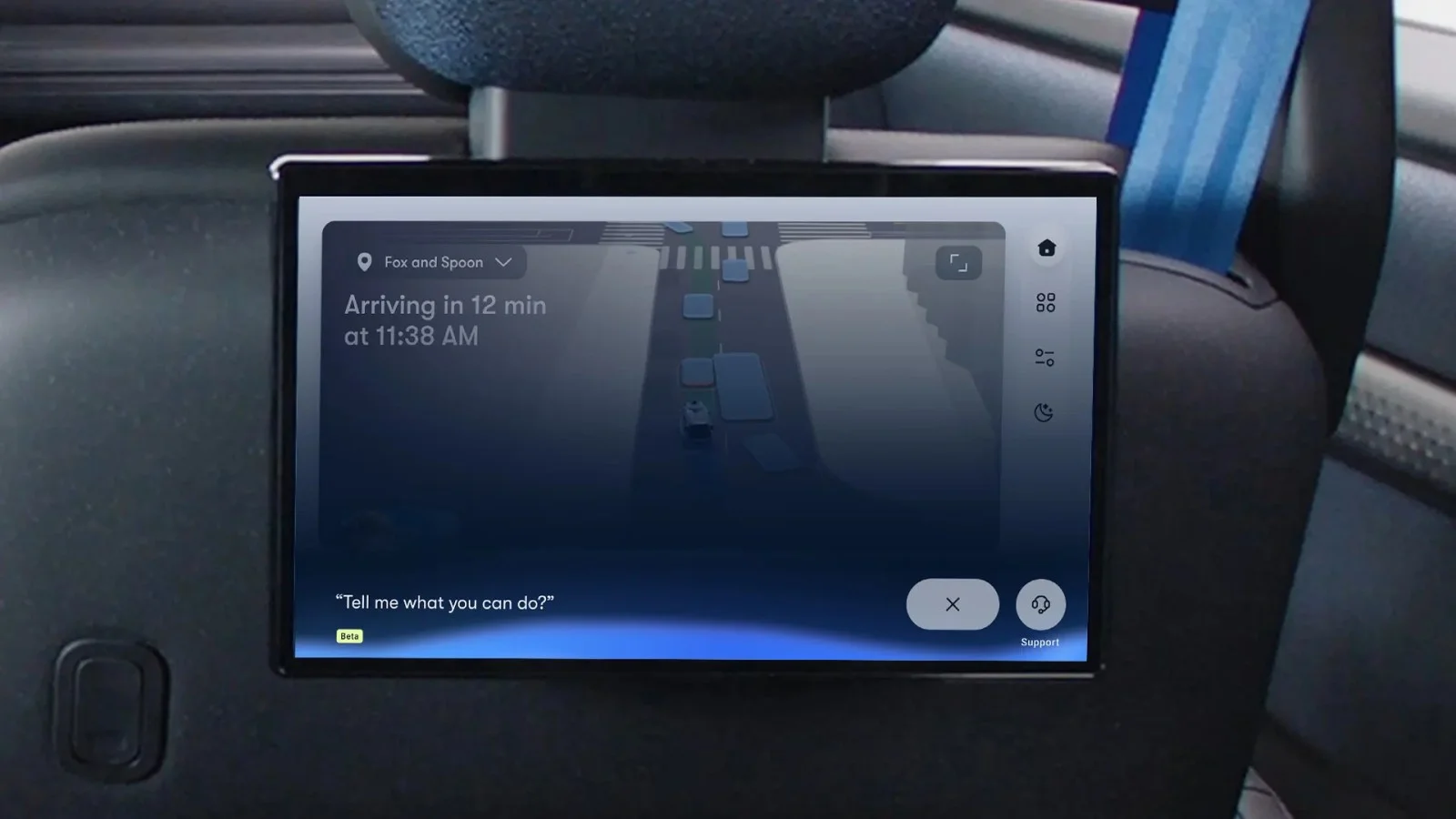
Waymo has officially rolled out its Gemini feature, accompanied by an updated interface specifically designed for its Ojai vehicles. This enhancement, set for public release, aims to improve user interaction within the autonomous ride environment. Waymo, once primarily associated with self-driving technology, is now merging advanced technical capabilities with user-centered design, showcasing a significant shift in their philosophy.
User Interaction and Controls
Gemini is engineered to function similarly to familiar digital assistants like Android Auto. Users can engage in natural language conversations, asking queries like, “Where's the best coffee shop nearby?” or exploring aspects of local history. This transition towards conversational interfaces is aligned with broader trends in tech, where increasing consumer expectations dictate that devices should understand and respond to casual dialogue. However, it also raises questions about understanding context and the accuracy of responses—issues often encountered with AI communication tools.
Additionally, Gemini serves as an interface overlay at the bottom of the vehicle’s screens, offering relevant journey information and insights. This positioning ensures that essential data is readily available without overwhelming the user interface. Similar systems typically focus on navigation data, but Gemini expands its utility by integrating various functionalities, trying to balance information density and usability. Cabin controls also fall under Gemini’s purview, providing functionalities like adjusting air conditioning or signaling for a stop. However, there's a critical distinction: Gemini operates independently of the vehicle's navigation and driving systems. This separation ensures that users can engage with the interface without impacting the core driving algorithms which are designed for safety and efficiency.
Redesigned Interface and Display Dynamics
In a notable upgrade, Waymo has introduced a redesigned interface, marking its first significant design update in several years. This change is tailored for the larger screens in Ojai vehicles, making interactions more user-friendly. Older models, like the Jaguar I-Pace, had narrower touch targets, which often led to frustration for users seeking quick adjustments in the ride experience. The spacious touch targets on the new interface not only enhance usability but also reflect a growing emphasis on human-centered design in automotive technology.
The “choreographed tri-screen experience” is particularly intriguing. By allowing different displays to showcase varied information depending on occupancy and control needs, Waymo is attempting to cater to the diverse preferences of passengers. For example, if there’s a single passenger in the rear right seat, that individual might have comprehensive control options while others simply see a simplified overview of the journey. This type of tailored experience addresses a common critique in transportation—how to make shared spaces accommodating for all involved. However, the effectiveness of this feature will largely depend on its execution and how intuitively it operates in real-world scenarios.
Enhanced User Modes
Among the freshly introduced features is "Calm Mode," designed to minimize screen brightness and provide only essential trip details. This reflects a growing awareness of user needs in moments when tranquillity is preferred. Users often desire less distraction while commuting, especially in a shared autonomous vehicle where too much information can breed anxiety rather than comfort. It appears Waymo is trying to consider the psychological aspects of transportation, which many technology companies overlook. The updates signify Waymo’s commitment to refining the in-vehicle experience, complementing its advanced autonomous technology. But will this focus on the user experience translate into wider acceptance of autonomy in transportation? Only time will tell.
Implications and Future Outlook
The introduction of Gemini and its accompanying features suggests that Waymo is at a crossroads. This move could indicate their recognition that as autonomous technology advances, user experience will become increasingly important. If you're working in this space, understanding how companies like Waymo integrate user feedback into their technology is key. Prioritizing the user experience could become a differentiating factor as competition intensifies among rival firms in the autonomous vehicle industry.
This blend of functionality and interaction design might influence not only how autonomous vehicles are perceived but also how their adoption rates evolve. Users might be more inclined to engage with autonomous taxis if they can communicate effortlessly, customize their ride experiences, and feel less overwhelmed by complex information. Yet, while the Gemini feature presents exciting possibilities, the ultimate success hinges on execution. If the user experience falls short, the technology could face skepticism, even if the underlying systems are sound.
(and this is the part most people overlook) The road ahead is paved with challenges, including regulatory hurdles and public perception issues. As companies innovate, they must remain vigilant about user trust—the endorsement of autonomous driving hinges not just on technical prowess but on passenger comfort and satisfaction. Thus, Waymo’s efforts with Gemini are more significant than they might appear at first glance; they represent a strategic pivot towards addressing human-centered concerns in the field of autonomous transportation.