Samsung Galaxy Phones Get Updated Homescreen with Google Search Bar Feature
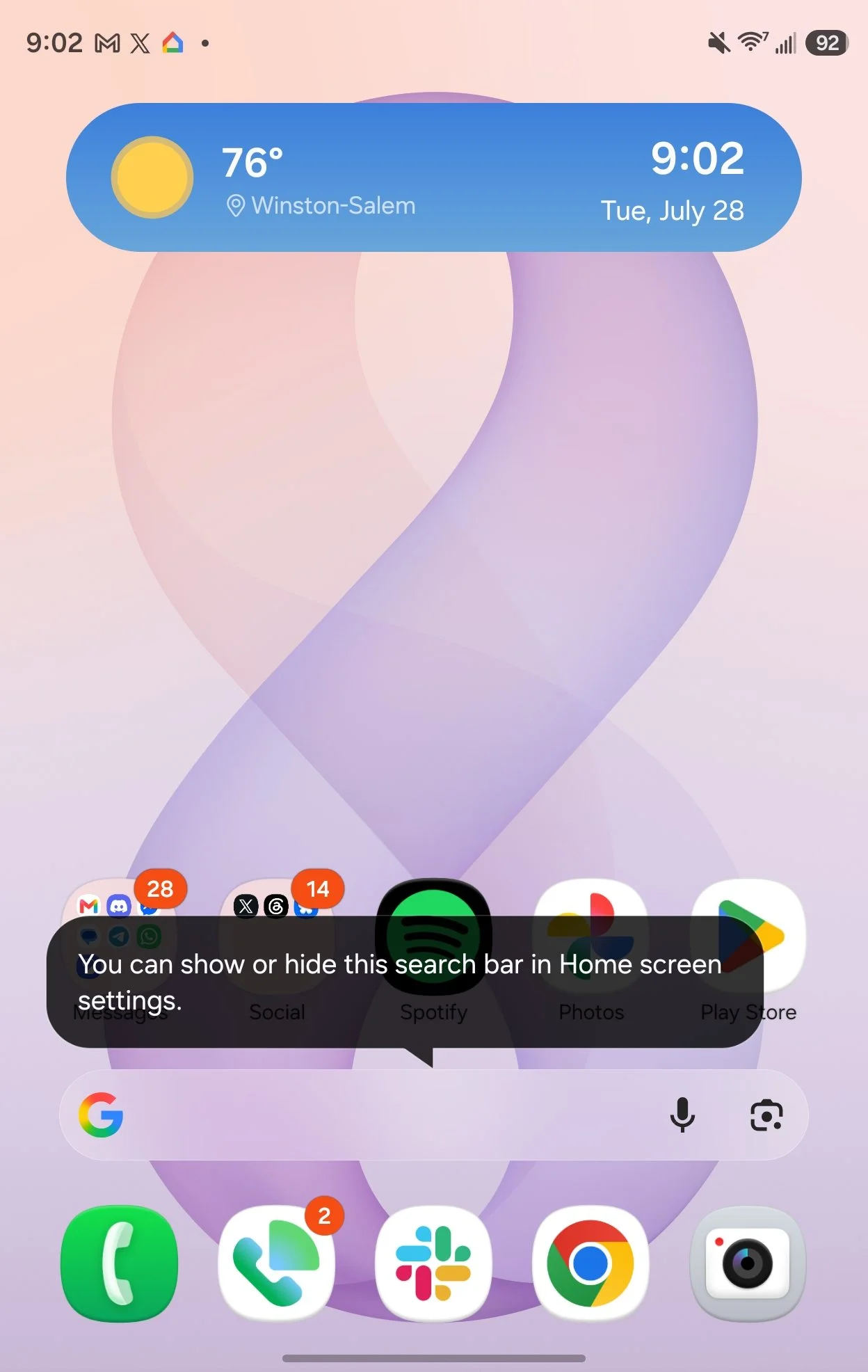
Samsung has rolled out a notable change with its recent update for Galaxy phones, integrating a dedicated Google Search bar at the bottom of the homescreen. This addition mirrors the design found on Pixel devices.
New Homescreen Feature
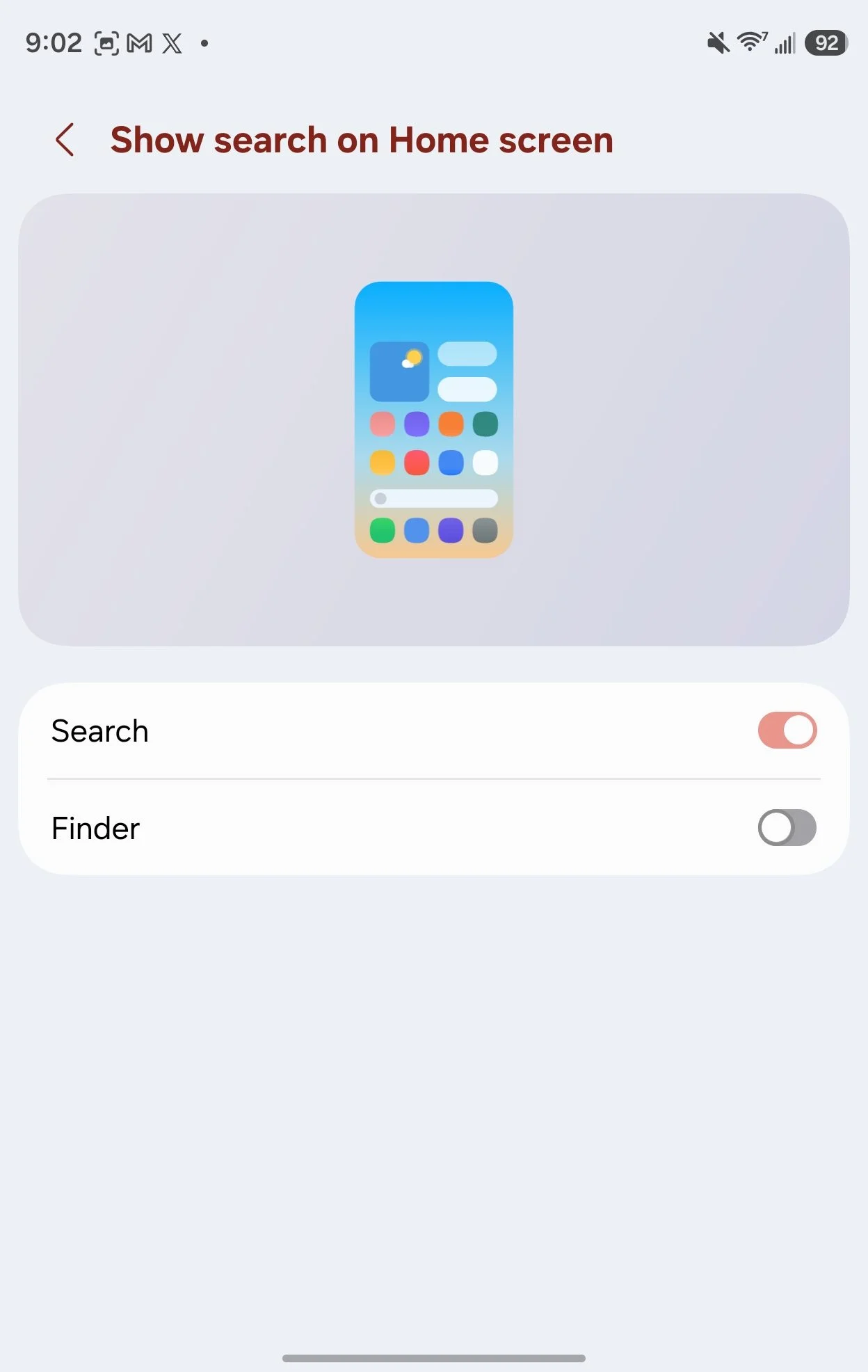
In One UI 9, currently available for devices like the Galaxy Z Fold 8 and Flip 8, a new section for the search bar has been introduced. Positioned strategically between the app grid and the dock, this feature is primarily a Google Search bar, though it can be configured for Samsung's Finder as well. Users can also opt to disable both functionalities, replacing the bar with a page indicator.
This new search bar reflects Samsung's ongoing push to streamline the user experience across its devices. By integrating a familiar tool that users often rely on, they're not just aiming to meet the expectations of existing Samsung owners but also trying to entice users from competing brands. Today, personalization is key, and the ability to toggle features speaks to a deeper understanding of user needs. If you're working in this space, you know the importance of providing users with control over their interface—all this could lead to greater satisfaction and ultimately reduce churn rates.
The option to swap between Google Search and Samsung Finder, or remove the bar entirely, demonstrates a careful balancing act. Samsung is committed to ensuring that its products remain competitive while also offering customization that appeals to its diverse user base. Although this feature may seem minor in isolation, it aligns with broader trends within the smartphone industry where user-centric design increasingly drives purchase decisions.
Comparison with Pixel Devices
While the layout differs slightly from the persistent search bar seen on Pixel phones, Samsung’s implementation offers greater versatility. Users appreciate the option to remove the search bar entirely, effectively reclaiming space on the screen. The flexibility to access either Google Search, Samsung Finder, or no bar at all is a thoughtful touch.
Samsung's adaptive approach sets it apart in an industry often criticized for its lack of innovation. Google’s home screen design philosophy is straightforward and effective, but Samsung has taken it as an opportunity to provide a more flexible option. And yet, some might argue that these features, while welcome, don’t fundamentally alter the user experience. The emphasis seems less on creating new functionalities and more on refining existing ones. This could leave consumers wanting more. After all, a search bar’s presence doesn’t inherently improve a device’s performance, and this is the part most people overlook.
This feature, launched first on the Galaxy Z Fold 8 series, is expected to expand to other Galaxy devices as updates based on Android 17 roll out in the coming months. With ongoing updates, Samsung is positioning itself to maintain relevance in a competitive field. But can they do it effectively? Time will tell whether this move succeeds in keeping user engagement high.
Visual Insights
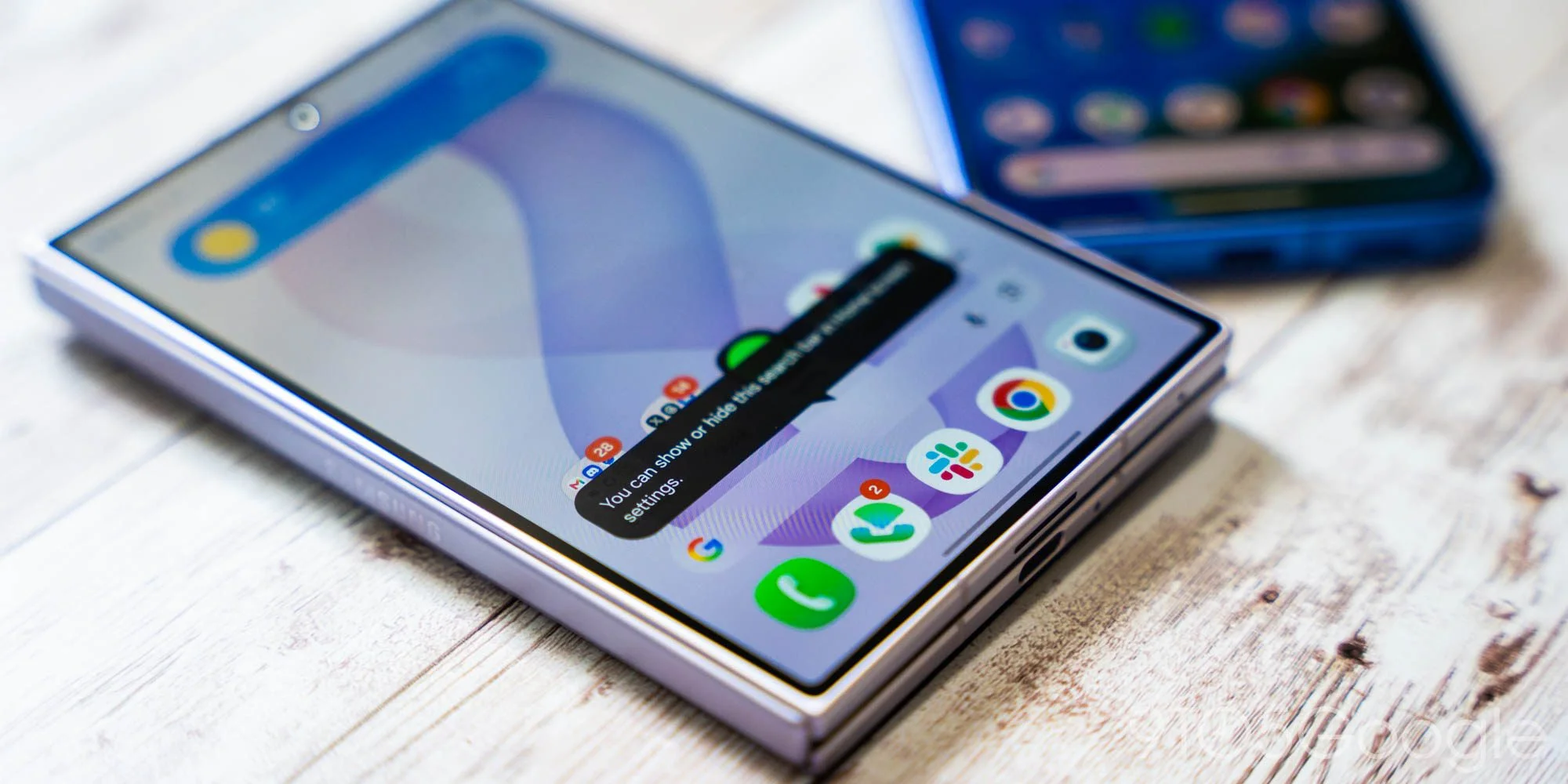
This homescreen update clearly reflects Samsung's efforts to enhance user engagement and accessibility, distinguishing it from competitors while maintaining the user-favorite Pixel aesthetics. However, one has to wonder if the real challenge lies beyond user interface adjustments. Are these changes addressing deeper consumer needs? The fast-paced smartphone market requires more than just surface changes; they have to resonate with the way users interact with technology day-to-day.
Implications and Future Outlook
This move could have significant implications for Samsung's positioning in the market. As consumer loyalty wanes due to the plethora of choices available, features that enhance personalization may become pivotal in attracting new users. Samsung's decision to adopt and adapt features seen in Pixel devices can serve as a strategic guideline. It hints at an increasing convergence between Android manufacturers, where design choices may begin to overlap more than ever.
What's next? As Samsung rolls out One UI 9 alongside newer Android versions, features like these could set the tone for future updates. If they continue to focus on personalization and user-centric design, it may redefine how devices are perceived, possibly fostering a ripple effect across the entire industry. As other brands seek to differentiate themselves in cluttered marketplaces, expect many to take notes from Samsung's strategy here.
In the end, integrating user feedback with feature updates is essential. If Samsung can successfully navigate this balance, they won't only keep their existing customer base but may gain new users who value flexibility in their digital experiences.


