Samsung's 2027 Galaxy Phones: TriFold Returns with a Strong Lineup
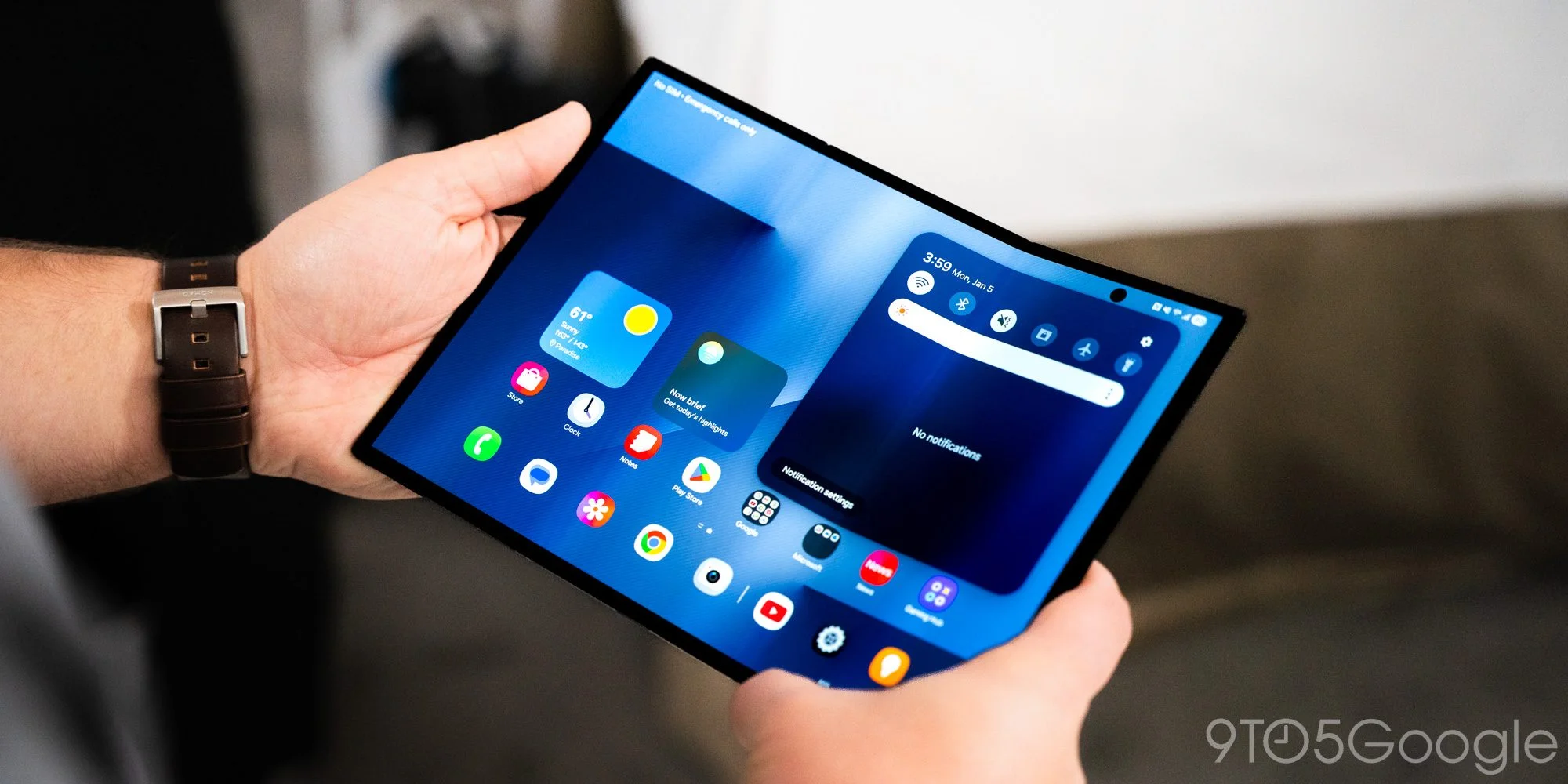
Recent reports indicate Samsung is gearing up for an expansive 2027 flagship lineup consisting of eight Galaxy devices. This includes four traditional Galaxy S models and four foldable options, which suggest a significant push into diverse offerings.
Galaxy S27 Series Details
The upcoming Galaxy S27 series will encompass four distinct models: the standard Galaxy S27, S27+, S27 Pro, and S27 Ultra. This lineup represents Samsung's response to growing competition and evolving consumer preferences. With the Pro model positioned as a bridge between the Ultra flagship and the vanilla offering, it aims to capture the attention of users seeking advanced features without the bulk that often accompanies premium devices. Features and specifications for these models are still shaping up, but historically, Samsung’s flagship devices have pushed the envelope in camera technology, display innovation, and processing power.
- Galaxy S27
- Galaxy S27+
- Galaxy S27 Pro
- Galaxy S27 Ultra
Foldable Innovations
The foldable market remains a focal point for Samsung, which plans to follow its Galaxy Z Fold 8 series with a refreshed lineup. This will include not just two new book-style foldables but also a highly anticipated Galaxy Z Flip 9. One interesting element in this roadmap is the potential revival of the Galaxy Z TriFold, which had been previously shelved. The TriFold's return, albeit in early development, could signal Samsung’s commitment to innovating in the foldable sector, which has seen varying levels of adoption since its inception.
As for the specifics, specifications for the Galaxy Z Fold 9 and Galaxy Z Flip 9 remain under wraps. Yet, the anticipation surrounding them is fueled by past successes in the foldable category, as the company attempts to broaden its horizons. The early development stage of the TriFold indicates that Samsung isn't just rehashing old concepts, but looking to refine them based on feedback and market demands.
- Galaxy Z Fold 9
- Galaxy Z Fold 9 Ultra
- Galaxy Z Flip 9
- Galaxy Z TriFold 2
This approach of a balanced “4+4” strategy marks a pivotal moment for Samsung, hinting at a year brimming with advancements and new product dynamics. While the company's flagship devices tend to generate the most buzz, the importance of foldables is becoming increasingly clear as these devices cater to niche markets eager for versatility and novelty.
Market Dynamics and Competitive Pressures
The smartphone market is witnessing a dramatic shift as major players like Apple and Google ramp up their offerings. Samsung’s decision to expand its lineup reflects not only confidence in its technology but also an acute awareness of competitive pressures. Apple, with its consistently high sales figures, has been making strides in personalizing features to create a more user-centric experience. Similarly, Google's Pixel devices are garnering praise for their camera capabilities, which puts more pressure on Samsung to ensure its devices stand out.
This competitive landscape underscores the need for Samsung to deliver compelling features that resonate with consumers. If you're working in this space, understand that consumers now have choices that range from ultra-premium offerings to more affordable alternatives that still promise impressive specs. Samsung must also navigate supply chain complexities and fluctuating component costs, particularly in a post-pandemic economic environment that’s still recovering.
Implications of the New Device Strategy
Samsung's proposed structure could reshape consumer expectations regarding flagship smartphones and foldable devices. The company’s strategy indicates a commitment to appealing to a broader audience; the four traditional variants are likely to attract diverse segments from power users to casual consumers. Similarly, with two distinct foldable categories, Samsung aims to cater to both tech enthusiasts eager for the latest advancements and individuals curious about integrating foldable technology into their daily lives.
Yet, not everything’s as rosy as it seems. While large lineups can attract attention, they risk diluting brand identity. Samsung must ensure that marketing efforts effectively communicate the unique strengths of each model. The need for innovation in smartphone features, such as battery life or camera quality, remains ever-pressing. The challenge lies in differentiating between models—will the additions merely be incremental upgrades or will they present meaningful improvements? What this means for you, as a potential consumer, is a focus on understanding which model aligns best with your needs rather than getting lost in the multitude of choices. And this is the part most people overlook: the balance between quantity and meaningful advancements.


