WhatsApp Enhances Android Auto Experience for Drivers
Meta is currently rolling out an enhanced WhatsApp experience for Android Auto, aimed at facilitating safer and more convenient communication while driving.
Enhancements to WhatsApp for Android Auto
The recent updates to WhatsApp on Android Auto represent a significant evolution in how drivers can communicate while on the road. By prioritizing voice commands, Meta is emphasizing a hands-free approach that aligns with safety protocols. As text messaging and social media have become integral parts of everyday communication, the need to adapt these services for use in vehicles has never been more pressing. Long gone are the days when drivers could afford to take their eyes off the road; today's technology needs to ensure that connectivity doesn't force users to compromise their safety.
This upgrade allows users to make calls, access call history, and connect with favorite contacts using voice commands, streamlining the app's functionality behind the wheel. Meta claims, “We’ve completely refreshed the WhatsApp care audio experience. Now you can hear and respond to messages, make calls, see your call history, and reach your favorites – hands-free and right from your car’s screen.” What stands out here is the effort to eliminate distractions that could jeopardize safety. It’s an acknowledgment that, while communication is essential, it needs to happen in a way that keeps drivers focused on the road ahead.
Driving should not impede the ability to stay connected, and this update reflects that priority.
Importantly, this upgrade isn’t merely cosmetic. It focuses on real-world usability. Drivers can engage in conversations or catch up with important notifications through voice commands. This paradigm shift aims not only to enhance user experience but also to encourage responsible driving habits — a focus that's becoming increasingly vital as traffic accidents related to distracted driving continue to rise.
Visuals and Presentation
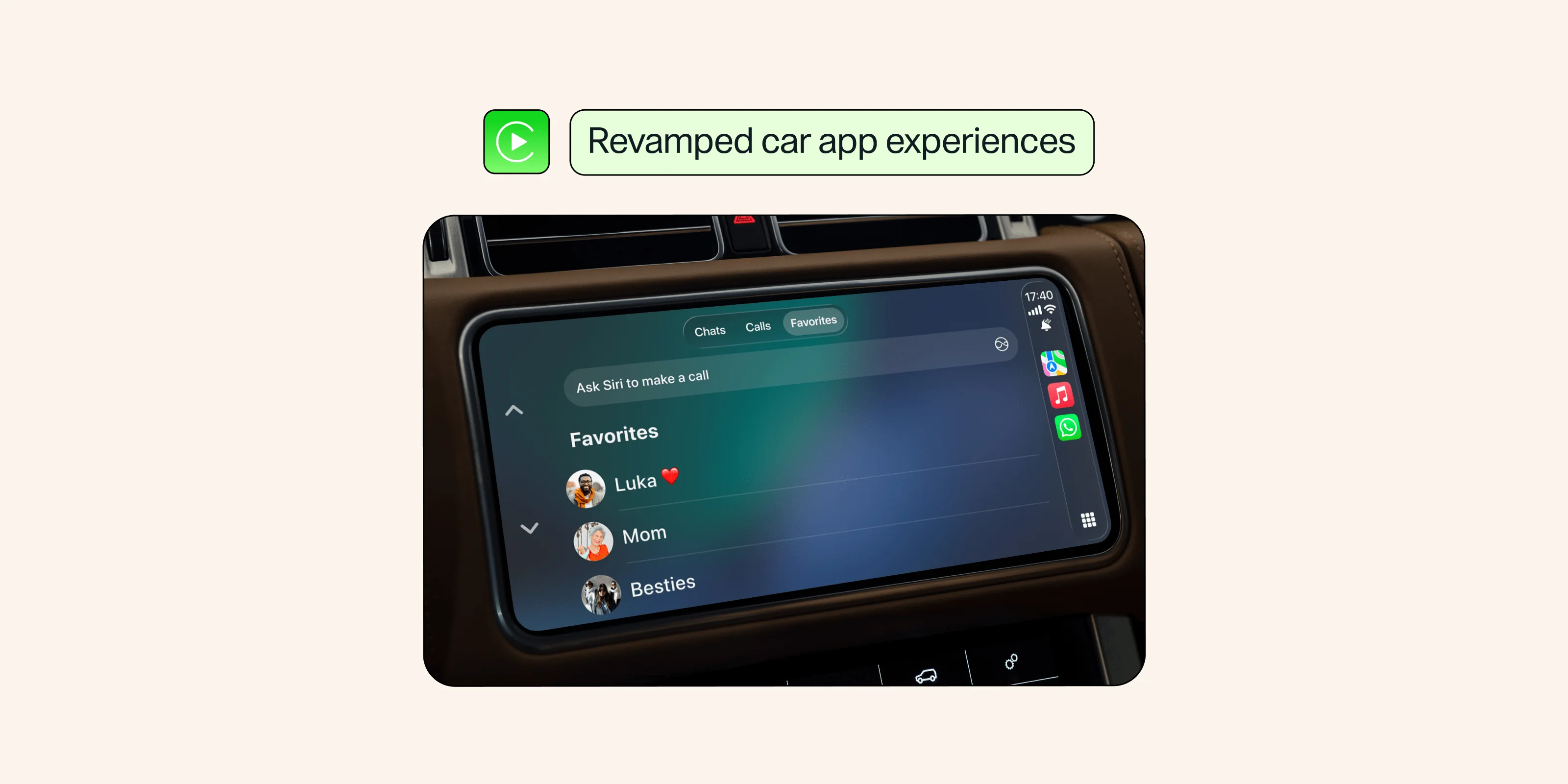
While images showcasing the updated Android Auto interface weren’t released, Meta did provide a glimpse of the improvements available on CarPlay. This lack of visuals might raise eyebrows; in a competitive tech landscape, first impressions matter. Without seeing these changes in action, potential users are left waiting for a more concrete sense of what to expect. The visuals matter. They help consumers gauge whether the upgrade will meet their expectations and how it compares to other in-vehicle communication options. It's also essential for understanding the user interface and determining how easy or difficult it will be to adopt this new setup.
A Long-Awaited Update
Support for WhatsApp calls in Android Auto has been in development for some time. Google first announced this capability early in 2023, making today's rollout a significant step forward for drivers. The anticipation surrounding this feature underscores a broader trend: the increasing interdependency between messaging applications and vehicle manufacturers. These integrations often slip under the radar, yet they represent a vital intersection of technology, daily life, and safety concerns.
When we look at similar transitions in the tech industry, we can see that messaging integration into automotive platforms isn't new, but it is evolving. For example, Apple's CarPlay has long offered similar functionalities, prompting other tech giants to step up. This competitive environment fuels innovation, at least for those willing to keep pace. In the era of mobility, the transition isn't just about enhancing features; it's about positioning brands as leaders in user mobility and safety.
More Updates on Android Auto:
- Android Auto starts rolling out a speedometer in Google Maps
- Android Auto prepares a redesigned media player for quicker access
- Ongoing issues with Gemini on Android Auto persist
Future Implications and Outlook
What's the significance of these updates? For one, they signal a shift in consumer expectations. If you're working in this space, you're likely aware that users want more than just basic features—they're after an experience that enhances convenience without compromising safety. In the coming years, we can expect a surge in demand for similar integrations across various messaging platforms. As vehicles become more connected, the ability for apps to adapt to the driver's needs will determine user satisfaction.
The connection between communication apps and automotive platforms isn’t just a trend; it's becoming a necessity. Companies that fail to recognize this integration will likely fall behind. There's an emerging expectation that software and applications will cater to the needs of the driver rather than sticking to a one-size-fits-all approach, which has previously dominated the development of in-car technologies.
What's left to be seen is how effectively Meta will implement these upgrades and whether they can indeed make driving safer through better technology. After all, in today's high-stakes automotive environment, any misstep could prove detrimental—not just to a brand’s reputation but also to user safety. This isn’t just an upgrade; it’s setting the stage for what the future of in-car communication can and should look like.


