Samsung Enhances User Experience with Improved Opening Mechanics on Galaxy Z Fold 8
Samsung is making strides in user accessibility with the Galaxy Z Fold 8 by addressing a common pain point experienced with its predecessor, the Galaxy Z Fold 7. While the Fold 7 showcased impressive technology, first-time users often struggled to open the device due to its flat edges and tight hinge design. This feedback is crucial, as user experience plays a significant role in the adoption of new technology, especially for devices that are touted as cutting-edge. In a market where usability can make or break a product's success, these refinements indicate Samsung's responsiveness to consumer needs.
User-Centric Design Evolution
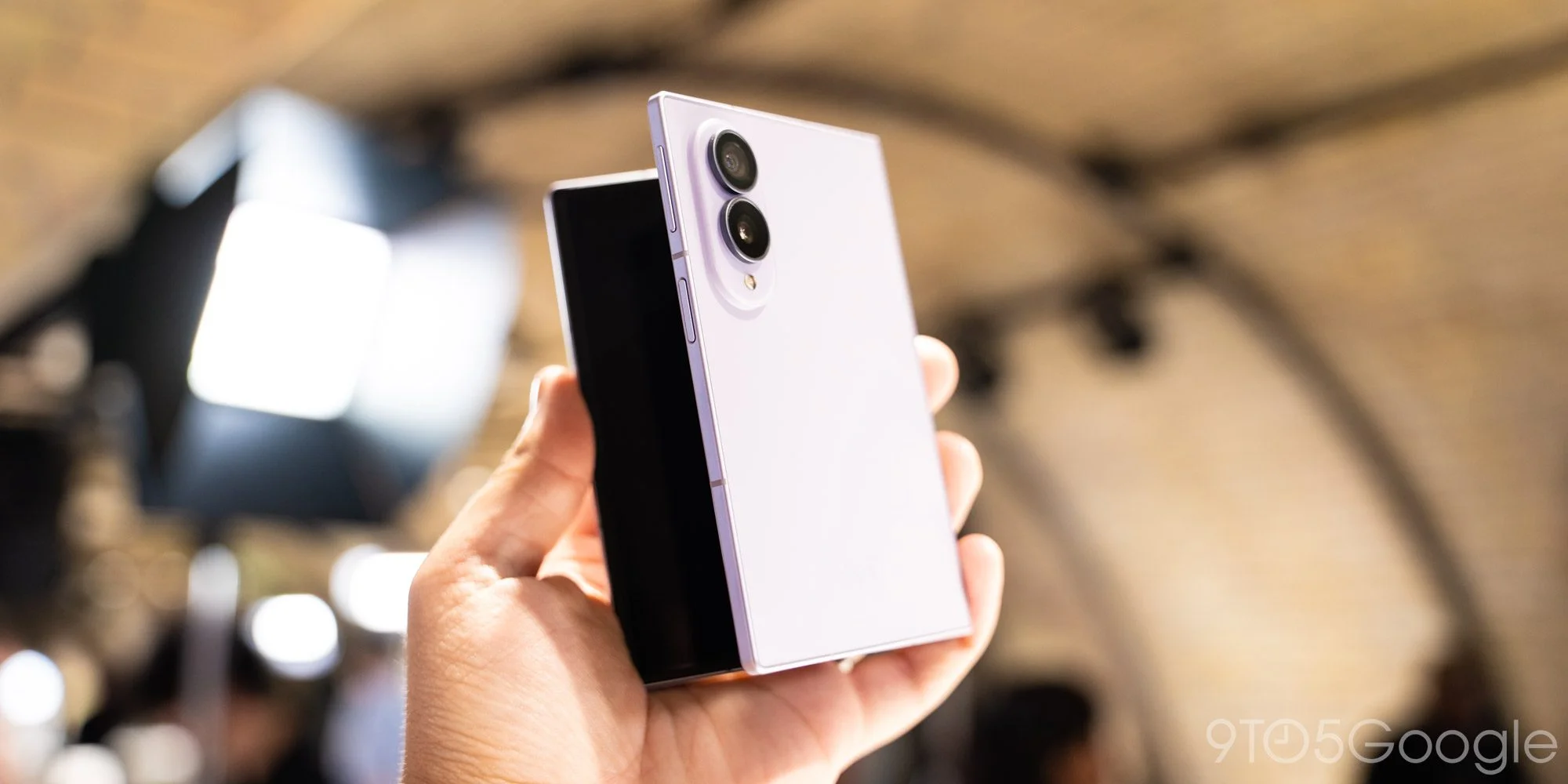
The latest Galaxy Z Fold 8 and Galaxy Z Fold 8 Ultra have implemented significant tweaks to simplify this process. A prominent change is the introduction of a slightly wider gap along the fold, which provides more room for users to grip and open the device without awkwardness. This alteration might seem minor, but it’s a thoughtful recognition of how people interact with technology. Ease of access is often overlooked in high-tech devices, which can deter new users who aren't accustomed to navigating complex interfaces.
When compared to the Galaxy Z Fold 7, the distinction in opening mechanics is clear. Observers will notice that the Z Fold 8's design encourages a more ergonomic user experience right from the start. Such enhancements amplify the importance of first impressions—if users can't easily open a device, they may quickly turn to other options. This shift in design philosophy—focusing on usability as much as functionality—reflects broader trends in tech, where companies are increasingly prioritizing user-friendly designs to expand their customer base.
Revised Hinge Design and User Experience
In addition to visual adjustments, Samsung has refined the hinge mechanism itself. By reducing the tension in the hinge and adapting the magnetic components that secure the device when closed, the Z Fold 8 facilitates a much smoother opening action. This revised design minimizes the necessary effort to lift the cover, which is a notable improvement over its predecessor. It’s a good move, considering that a cumbersome hinge can seriously impact the overall allure of a foldable device.
Moreover, the updated hinge architecture contributes to less visible creasing on the display, enhancing the device's aesthetic and functional appeal. The sleekness of its operation combined with a diminished crease yield a product that feels modern and approachable. This is particularly significant in a category of devices where display quality directly influences user satisfaction. If the unfold experience becomes clunky or obstructed by visible creases, customers may feel like they’re compromising too much on quality for novelty.
Availability and Consumer Interest
The Galaxy Z Fold 8 and Z Fold 8 Ultra are now available for pre-order, capturing the attention of consumers eager for an upgraded folding experience. With the enhancements made in opening ease and display design, these devices seem particularly positioned to appeal to both new users and avid Samsung followers. Samsung’s strategic timing to release these refined devices also suggests they have studied the market, which now sees a growing appetite for folding smartphones.
These enhancements reflect Samsung's commitment to refining user experience through practical updates, aimed at reducing friction in daily use. The open-and-close dynamics have never felt smoother. If you’re working in this space, you’ll understand how much product retention hinges not just on high-tech features but also on mundane tasks like flipping open a phone.
Implications and Future Outlook
The Z Fold 8’s updates represent more than cosmetic changes; they highlight a significant industry shift towards user-centric design. As competition in the smartphone market heats up, with challengers continually improving their offerings, companies must prioritize real-world usability. Manufacturers must listen carefully to user feedback, as devices that feel cumbersome or awkward will lose out to competitors who offer assured ease of use.
But here’s the thing: some of these enhancements might be seen as minimal, possibly leaving seasoned users feeling underwhelmed. The reality is that while the changes are beneficial, they might not fully address the broader issues that foldable devices face, such as long-term durability and pricing pressures. What remains uncertain is whether these advancements will create sustainable interest beyond initial launch excitement. In a highly competitive space, Samsung's ability to differentiate itself based on user experience could dictate its future success.
The industry’s trajectory suggests that as foldable phones evolve, consumer expectations will also rise. Companies will need to balance cutting-edge technology with modifications that resonate with a diverse user base. A small tweak in hinge design might lead to greater loyalty. Still, whether the Galaxy Z Fold 8 can sustain that loyalty in an era of rapid innovation remains to be seen.


