Streamlining Threat Analysis with Automated Alert Filtering
Recorded Future has rolled out AI Alert Filtering, designed to enhance the efficiency of threat analysts by automating the initial relevance assessment of alerts. This advancement allows analysts to concentrate on the most pertinent information without losing oversight. In an era marked by unprecedented cyber threats, such automation could be transformative—if it's effective.
Understanding the Challenge of Alert Overload
In cybersecurity, analysts often drown in alerts. The escalating frequency and sophistication of attacks can't be overstated; cybercriminals leverage advanced technologies, including artificial intelligence, to exploit vulnerabilities and launch attacks at a scale previously unimaginable. In this environment, alerts pour in at an alarming rate, resulting in what some experts refer to as "alert fatigue." Analysts and security teams can quickly become overwhelmed, losing the ability to differentiate genuine threats from false alarms. Adding automated filtering aims to address this critical pain point, but will it deliver on its promise?
The introduction of AI Alert Filtering can be seen as a response to this very predicament. The system claims to dramatically cut down noise by sifting through alerts, helping analysts zero in on those that genuinely require attention. While early adopters have reported around a 63% decrease in alert volume, the actual efficacy of this decrease can vary considerably based on configuration and specific use cases. A nuanced understanding of how AI processes this data will be essential for determining its long-term value to organizations.
Enhancing Alert Management
Powered by Recorded Future AI, this filtering system takes advantage of the Intelligence Graph® to contextualize alerts and classify them effectively. This technology does not merely analyze the content of an alert; it also incorporates a wide swath of threat intelligence. This means that alerts are not seen in isolation but are evaluated in the context of associated threats and trends. Analysts gain insights into ongoing cyber campaigns, helping them understand the larger picture without being bogged down by minutiae.
But here's the catch: how reliable is this contextualization? Cyber threats are fluid, and the data feeding the AI must be timely and accurate. If the underlying intelligence is flawed, one could argue the filters could misclassify or overlook critical alerts. This is where the trust in AI systems needs to be carefully placed; solid foundation of data is paramount for successful implementation.
Key Features of AI Alert Filtering
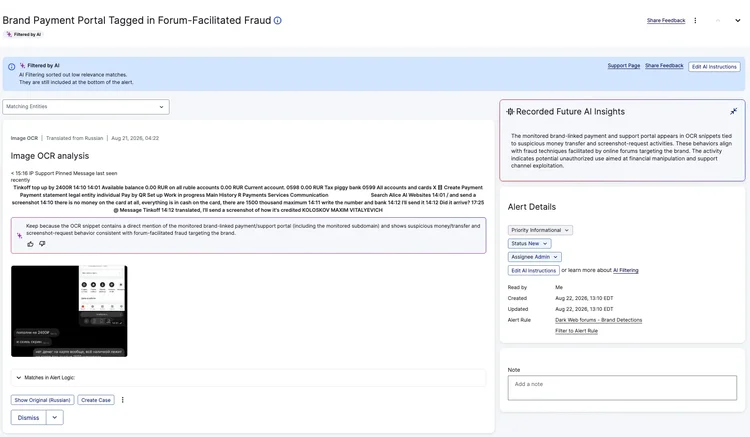
- Relevance Sorting: Alerts are segmented into High and Low Relevance categories based on the predicted intent of defined rules. This prioritization allows analysts to tackle High Relevance items first. But what happens if relevance predictions are off? Sorting mechanisms are only as good as the algorithms employed in making those predictions, a point that deserves scrutiny.
- Summary Insights: Each alert comes equipped with a summary, enabling analysts to quickly gauge its import. This feature seems straightforward but can substantially cut down the time spent on initial assessments. Still, will analysts trust these automated summaries, or will they prefer to dig deeper into raw data?
- Customizable Intent: Users can fine-tune priority settings for the AI, adapting alerts to align with specific organizational needs. Flexibility in customization is a welcome feature, allowing companies to tailor the system to their unique risk environment. However, the question remains: how intuitive is the configuration process?
- Auto-dismiss Feature: Alerts that fail to meet relevance thresholds can be automatically dismissed, a workflow enhancement designed to streamline analysts' tasks. This feature is undeniably efficient but also raises concerns about missing critical alerts—especially in cases where human intuition might catch something the algorithm flags as low relevance.
- No Data Loss: The system claims to retain all original unfiltered details accessible within the Portal, which is an important aspect for thorough audit trails. However, just because data is there doesn't mean it’s actively monitored for insights, which could lead to missed opportunities post-filtering.
Implications and Future Outlook
The deployment of AI Alert Filtering carries implications that extend beyond mere efficiency gains for analysts. If effective, it could redefine how organizations approach threat management, allowing even smaller teams to manage larger volumes of alerts. This could democratize access to quality threat analysis resources, leveling the playing field among organizations with varying levels of cybersecurity manpower and expertise.
That said, there are also profound implications regarding reliance on AI. If an organization becomes too dependent on automated systems, there's the risk of complacency creeping in. Analysts might start to trust the AI's judgment too readily, leading to gaps in monitoring. If you're working in this space, consider how much autonomy you’re willing to cede to a machine in a landscape fraught with velocity and danger.
Ultimately, while AI Alert Filtering is a notable development, it's not a panacea. The environment in which these systems operate is dynamic and often unpredictable. Continuous evaluation, coupled with human oversight, will be essential to ensure that safety nets remain intact and that organizations are not lulled into a false sense of security.


