Ensuring Safety and Security at the 2026 FIFA World Cup: Key Considerations for Public Safety Officials
Security Landscape for the 2026 FIFA World Cup
As the 2026 FIFA World Cup kicks off tomorrow, the excitement is palpable. Millions will flood into sixteen host cities across the United States, Canada, and Mexico — all eager to witness what is arguably the most celebrated event in sports. But amid the enthusiasm are complex security challenges that organizers must navigate for a successful tournament.
Understanding Worldwide Attention and Its Implications
The World Cup isn’t just a sporting event; it’s a global phenomenon that garners the attention of billions. That level of visibility attracts not just fans and sponsors, but also a myriad of threat actors. For example, previous tournaments have seen spikes in criminal activities that exploit the event's massive visibility. Vendors often target unsuspecting fans with counterfeit merchandise or bogus ticket sales, drawn by the rich opportunity to scam those enthusiastic supporters. With the spotlight brighter than ever, stakeholders involved must proactively address these multifaceted security concerns.
Emerging Threats and Concerns
What makes the upcoming World Cup particularly vulnerable are the diverse threats emerging in both physical and cyber domains. Cybercriminals are not sitting idle; they’re already weaponizing the fervor surrounding the tournament. Fraudulent websites and fake online stores pop up, tricking unsuspecting fans eager to make purchases related to their favorite teams. Phishing attacks may escalate as scammers craft emails that appear to be from legitimate sources, fooling users into divulging sensitive information under the guise of offering exclusive deals or secure ticket sales.
Hacktivism might also rear its head during the World Cup. Events of this magnitude provide a platform for groups wishing to draw attention to political or social causes. As we’ve seen in past high-profile events, political messages can be amplified through creative yet disruptive means. Therefore, the potential for coordinated actions against sponsors, teams, or even participants is significant and merits the attention of security professionals.
On the physical security front, the challenges multiply. Massive crowds create an environment full of soft targets — public spaces that can be exploited if proper precautions aren’t taken. Officials face the daunting task of ensuring safety while managing the logistics of accommodating millions of visitors, especially at transportation hubs where large gatherings occur. Protests, anticipated in solidarity with various causes, could also pose risks to attendees. This intricate web of threats exacerbates the need for a thoughtful and layered security strategy.
Coordinated Approach Required
Tackling the converging threats of cyber and physical security demands a cohesive approach among various stakeholders. Public safety agencies, cybersecurity teams, fraud prevention operatives, legal experts, and brand protection specialists must work in unison. A fragmented approach won’t suffice — that much is clear. By integrating security protocols across all facets of the operation, organizers can preemptively address issues before they escalate.
This requires constant communication and preparedness. For example, if a cyber threat is identified, it should trigger a ripple effect through physical security measures. A cohesive response could mitigate the risks posed by online schemes and physical repercussions as they inform one another. Coordination can create a stronger wall of defense amid the chaos.
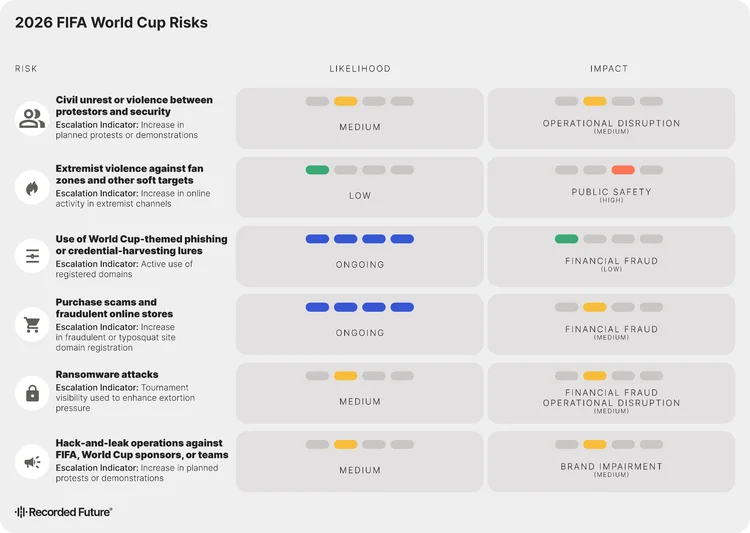
Figure 1: Assessment of physical, cyber, and fraud risks affecting the 2026 FIFA World Cup
(Source: Recorded Future)
Lessons from Past Major Events
Previous events provide a sobering reflection of what could happen if security isn’t adequately prepared. The 2014 FIFA World Cup in Brazil faced numerous challenges as activists utilized the international spotlight to amplify their dissent. Likewise, major tech conferences have grappled with cybersecurity threats that left attendees vulnerable to identity theft or financial fraud. If these lessons are not heeded, the 2026 tournament may fall prey to similar exploits, with panic and chaos undermining the spirit of the game.
Future Outlook: The Landscape of Event Security
Looking ahead, the implications of the World Cup security measures could set a precedent for how large-scale events are managed. The sheer scale of the tournament may inspire other events to adopt similarly stringent protocols. As incidents of cyber fraud and physical threats grow, integrating advanced technologies, such as AI-driven surveillance and blockchain for ticketing systems, will move from being optional luxuries to necessities.
This is where things get interesting. The ongoing digital transformation within various industries adds layers of complexity to traditional security measures. If you're working in this space, understanding this shift can arm you with insights that improve preparation and response scalability. Moreover, as threats evolve, the solutions must match that pace or risk becoming obsolete.
The 2026 FIFA World Cup represents both an opportunity and a challenge. While security strategies may mature in response to emerging threats, the true acid test will be how effectively those plans are implemented when millions are gathered under one banner — for the beauty of the sport.


