Recorded Future Launches Targeted AI Indicator Lists for Enhanced Security Monitoring
Recorded Future has rolled out its AI Infrastructure Indicator Lists, a new tool designed to assist security teams in monitoring and managing AI-related network traffic. This offering comes at no extra cost for customers with a Cyber Operations license, reflecting Recorded Future's commitment to enhancing AI security frameworks. For organizations already grappling with the implications of AI, the introduction of this tool might well be a timely lifeline, aiming to respond directly to the varied security challenges that come with AI's evolving integration.
As artificial intelligence increasingly integrates into enterprise environments, companies face unique challenges like the rise of shadow AI—unsanctioned tool usage that can lead to data leaks and unmonitored autonomous behavior. This isn’t just a minor nuisance; it's a growing threat that can result in significant liabilities. Recorded Future aims to bridge these gaps by providing curated data that can support risk management, IT operations, and governance, risk management, and compliance (GRC) efforts. In a climate where regulatory oversight is intensifying, companies that fail to address these risks could find themselves on the wrong side of compliance mandates.
The Building Security Debt of AI
Organizations are accumulating what can be termed as security debt, primarily driven by the rapid adoption of AI technologies. This phenomenon creates blind spots in governance, as conventional security measures struggle to keep pace with advancing AI capabilities. Last year, it was highlighted that many businesses are failing to address various risks arising from unchecked AI implementations. There's an urgency here that can't be ignored; the longer firms postpone the integration of security protocols into AI strategies, the more vulnerable they become.
A stark example of this risk is the rapid deployment of agentic AI. These tools, often operating across interconnected digital ecosystems, can significantly widen an organization's attack surface. For instance, consider an employee who discovers a free AI productivity assistant on social media and installs it independently—a scenario that lacks any procurement scrutiny or security evaluation. Such actions can open the door for cybercriminals who exploit these gaps, and this is the part most people overlook: measuring productivity against security can lead to substantial vulnerabilities.
This scenario isn't imaginary. OpenClaw, an open-source AI assistant, gained significant traction this year without adequate oversight. The ease of access to such tools means organizations must remain vigilant. Incidents like these leave security teams burdened with the challenge of managing tools that exist beyond their visibility. Shadow AI isn't just a concern; it's an often-ignored facet that complicates the security architecture.
Projections indicate that by 2027, about 75% of employees might adopt or create technologies without any input from IT. This surge presents an expansive dilemma for organizations. As these agents proliferate, organizations must prioritize identifying and managing access rights for these autonomous systems, mirroring the protocols used for human users. This isn’t a trivial undertaking; it demands resources, revisions to existing policies, and, crucially, a shift in company culture to foster awareness.
Features of AI Infrastructure Indicator Lists
Unlike traditional threat feeds that bombard users with relentless streams of indicators, Recorded Future’s AI Infrastructure Indicator Lists are designed to provide clarity. Clarity in AI security is invaluable, especially when you consider the sheer volume of emerging threats day-to-day. These curated datasets are regularly updated and focus on the AI tools that users and adversaries are likely to engage with. Each indicator carries a Risk Score and service attribution, enhancing their usability and allowing security teams to prioritize their responses effectively.
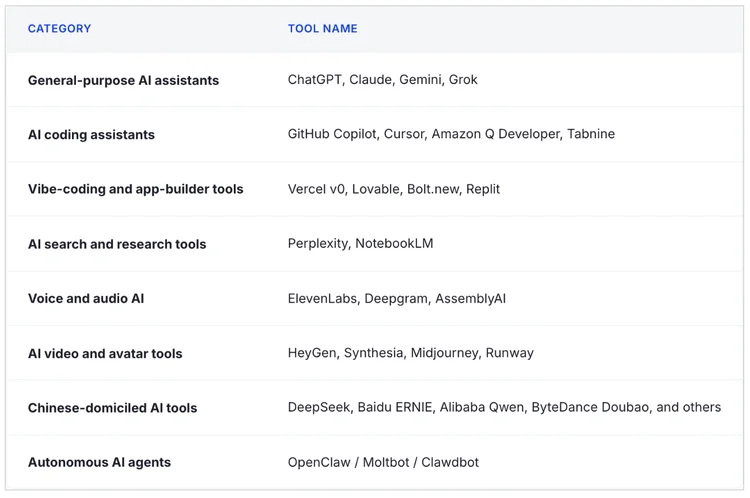
The AI Infrastructure Indicator Lists are distinctly categorized into an AI infrastructure list and a Chinese AI infrastructure list. This dual approach acknowledges the global scope of AI technologies and the varying degrees of risk associated with different regions. They comprehensively cover a variety of AI tools, including general-purpose assistants, AI coding tools, search engines, and even autonomous AI agents. This breadth of focus ensures that security teams can be armed with extensive knowledge about the tools they need to monitor.
Implications for Organizations and the Future Outlook
The recent launch of Recorded Future's AI Infrastructure Indicator Lists could signal a broader trend in the industry toward integrating AI safety protocols into standard practices. What this means for you if you're working in this space is that adopting such tools might soon become imperative for maintaining competitive edge and ensuring compliance. As companies confront an increasingly aggressive cyber threat landscape and rising regulatory pressures, solutions that address risks associated with AI adoption may soon be regarded as essential rather than optional.
Moreover, this shift reflects a deeper recognition within the tech industry: AI can't just be a tool for productivity; it must be managed as a core part of an organization’s security posture. As new technologies emerge on a seemingly daily basis, security teams should brace for an ongoing battle against malicious actors who are quick to exploit AI's vulnerabilities. The dialogue about AI and security is changing, and organizations can't afford to be reactive; proactive measures will separate the successful entities from those struggling to keep up.
As Recorded Future continues to evolve its offerings, other companies will likely follow suit, further emphasizing the necessity of security measures in the AI domain. The stakes are high, and in a landscape defined by technology, the ability to predict, identify, and manage risks could determine the sustainability and success of enterprises in the digital age.


