Building Bologna's Startup Ecosystem: Founders Fueling Innovation
Alessandro Cillario and Stefano Onofri, the duo behind Italian startup Cubbit, aren't solely focused on expanding their company’s international reach. They’re equally dedicated to nurturing Bologna’s startup scene, recognizing the vital role of community in driving innovation.
The core of their efforts is The Bologna Gathering (TBG), an exclusive event that attracted over 500 industry figures from Europe, the Americas, and Asia earlier this year. Their philosophy underlines a key point: successful startup ecosystems thrive on contributions from founders, rather than relying solely on government or investor action.
“I've never really believed in the idea of 'giving back' only after you've already become successful,” says Cillario. “Waiting years to assist doesn’t make sense. Instead, we should support our local communities while building our fortunes.”
Bologna boasts a diversified industrial portfolio and is recognized for its prowess in advanced manufacturing and engineering. Esteemed for its culinary legacy and educational institutions, the city is a major center for the production of industrial machinery, encompassing packaging, robotics, and automation. Machinery alone constitutes a significant portion of Bologna’s exports, highlighting the region’s industrial strength.
From Infrastructure to Ecosystem
Cillario’s vision for TBG emerged after attending Web Summit, realizing a gap in meaningful engagement within the European tech scene. Large-scale conferences, while valuable, often miss the intense, personal interactions that entrepreneurs seek.
“You can’t achieve the depth of connection in large conferences that people desire,” he explains. “We talked with local institutions in Bologna, which are heavily investing in AI infrastructure, and recognized the need to cultivate an ecosystem alongside this infrastructure.”
Instead of marketing Italian startups abroad, the aim was to attract attendees to Bologna, showcasing the vibrant local ecosystem. TBG sets itself apart from Italy’s marquee events like Italian Tech Week by emphasizing personal interactions over sponsorship-driven agendas. Cillario points out, many successful European startups, like Spotify and Klarna, focus on direct consumer engagement—working with corporates offers a different dynamic, especially for startups targeting enterprise customers, who often take a more cautious approach to innovation.
“That’s why inviting corporate representation is crucial,” he emphasizes. “Initially, corporate presence was minimal, but we’ve now onboarded over sixteen significant companies, allowing for rich conversations about technology and partnerships.”
This integration allows startups to connect directly with local industrial giants, including Ferrari, Ducati, and Generali, enabling them to refine their solutions based on corporate feedback. The nature of these dialogues changes everything: early-stage companies can ask, “Does this resolve a key challenge?” during their initial pitches.
“Every conversation here holds weight,” asserts Cillario. "We've assembled a diverse group of creators, startups, corporates, and investors all invested in actual progress, not just passive attendance.”
Returning Minds and Skills
A trend dubbed "brain circulation" is reshaping Italy's startup ecosystem. Instead of merely bemoaning brain drain, the country is seeing a return of founders who gained international experience and now offer their expertise and capital back home. For instance, fintech unicorn Scalapay, co-founded by Simone Mancini after his return from Australia, exemplifies this shift. Similarly, Bending Spoons, a major European software firm, owes its success to Luca Ferrari's experience abroad.
Iris Skrami chose to return from the Netherlands to launch her digital product passports startup, Renoon. As she notes, “Italy boasts one of the strongest fashion sectors globally, making it the ideal location to establish our company as DPP demands grow.” She’s also observed that traditional family-run companies in Italy act decisively and often pursue long-term contracts in anticipation of regulatory changes. This decisiveness contrasts sharply with the sometimes slower pace of larger corporations.
AI Infrastructure During Transformation
Bologna is rapidly emerging as a leader in AI and supercomputing research initiatives, bolstered by major investments. The Bologna Technopole, developed collaboratively between the Emilia-Romagna Region and Italy’s Ministry of University and Research, represents the city’s scientific renaissance.
The scale of investment is visible, with supercomputers being installed at the DAMA Tecnopole, an integral part of a €1 billion initiative aimed at fostering advanced technology research. This facility collaborates with key players such as the supercomputing center CINECA and the National Institute for Nuclear Physics NFN.
The heart of the Technopole is the IT4LIA AI Factory, Italy’s national AI hub, which grants startups access to high-performance computing resources. This past June, the launch of five new supercomputing systems at the DAMA data center expanded this capability, setting one of Europe’s most powerful AI platforms in motion and reinforcing the continent’s technological independence.
Translating Research into Ventures
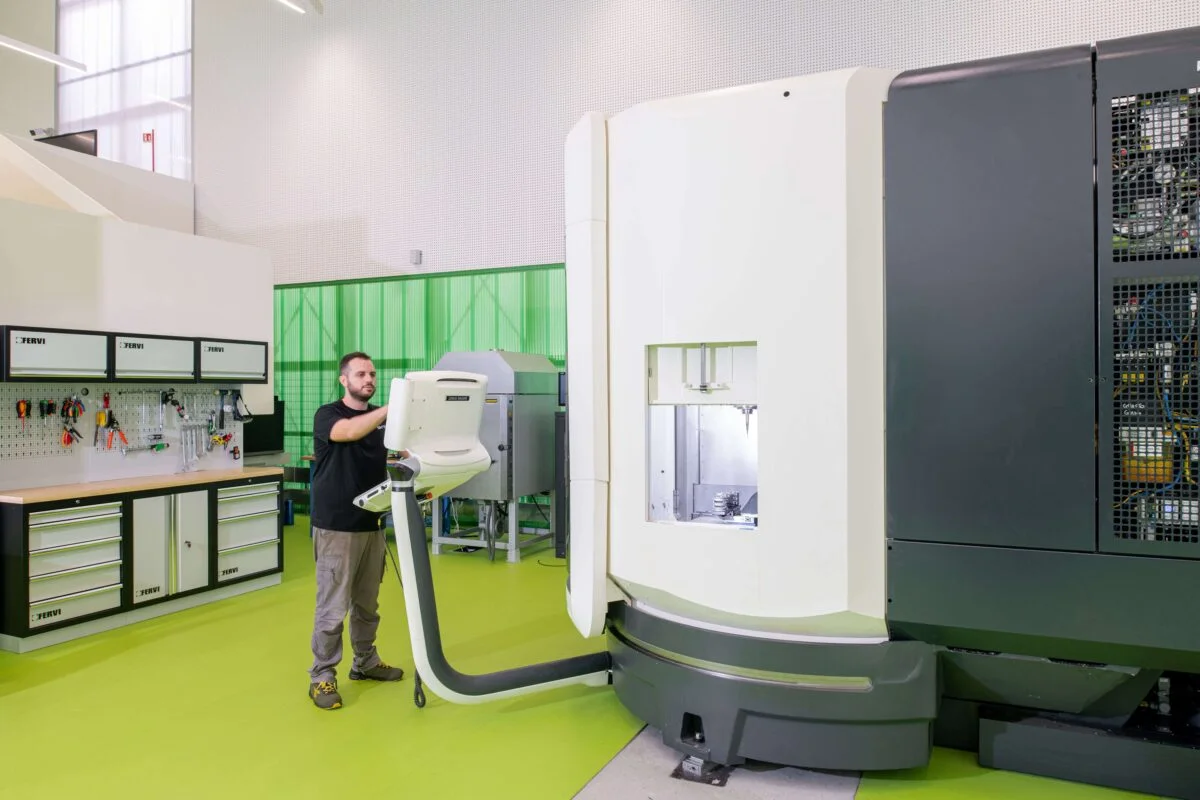
BI-REX (Big Data Innovation & Research Excellence) aids startups in converting advanced technologies into market-ready products. Their "Test Before Invest" program is particularly noteworthy, allowing entrepreneurs to validate their concepts before a financial commitment. By providing access to resources like smart factory pilot lines and technology assessments, BI-REX eases the burden on startups, enabling them to explore AI and digital manufacturing without the prohibitive costs of purchasing equipment.
Bologna’s entrepreneurial support extends through various organizations, including COBO Accelerator for digital and industrial technologies, and G-Factor focused on health and AI innovations.
A Flourishing Startup Environment
Italy’s startup ecosystem is experiencing increasing vitality, with 17 unicorns collectively valued at $44.6 billion. Recent funding activity underscores this trend; in early 2026, notable investments ranged from D-Orbit’s $62 million Series D to Niulinx’s record-setting $38 million autonomous driving seed round.
According to PitchBook, the first quarter of 2026 saw an impressive 225 VC funding rounds—a staggering 80 percent increase year-over-year, marking a decade-high quarterly total.
Cillario shares, “Startups are increasingly gaining the infrastructure and acumen to attract international investment, and foreign investors are waking up to the excellent opportunities Italy offers.”
He characterizes Bologna and Emilia-Romagna as “extremely prosperous regions with extensive industrial foundations and substantial private capital.” Even tapping into a small fraction of this potential could significantly elevate the Italian venture landscape.
The region's connectivity is a further boon; strategic proximities to Milan, Turin, and Rome facilitate opportunities for new ventures. Yet, amid these advancements, cultural transformation remains critical. Skrami indicates that Italy’s startup environment can feel insular compared to other global ecosystems as many prefer to keep their ventures low-key, possibly stifling visibility and recognition of their achievements.
For Cillario and Onofri, fostering an open, collaborative culture within the entrepreneurial community in Bologna has been an essential part of their mission. They view the growth of Cubbit alongside building a vibrant startup ecosystem as inherently interconnected, emphasizing the need for a symbiotic relationship between individual success and communal progress.
Emerging Innovators to Watch
Daidalos
Daidalos specializes in designing and licensing semiconductor IP for industries such as automotive, IoT, defense, and more, offering integration-ready solutions that streamline development processes.
GeneSys Bio
GeneSys Bio develops portable diagnostics for infectious diseases, enabling rapid pathogen detection right at the point of care with their PCR-based system.
Magnetic Future
Magnetic Future creates advanced power supplies for superconducting magnets, enhancing efficiency and potentially saving substantial energy costs for fusion experiments.
Trailslight
Trailslight employs AI to optimize public lighting systems, analyzing ambient sounds to adjust light intensity, thus conserving energy and improving safety.
O-Damp
O-Damp boasts innovative safety helmet technology that mitigates rotational forces during impacts, aiming to prevent severe head injuries across various sports and professions.


