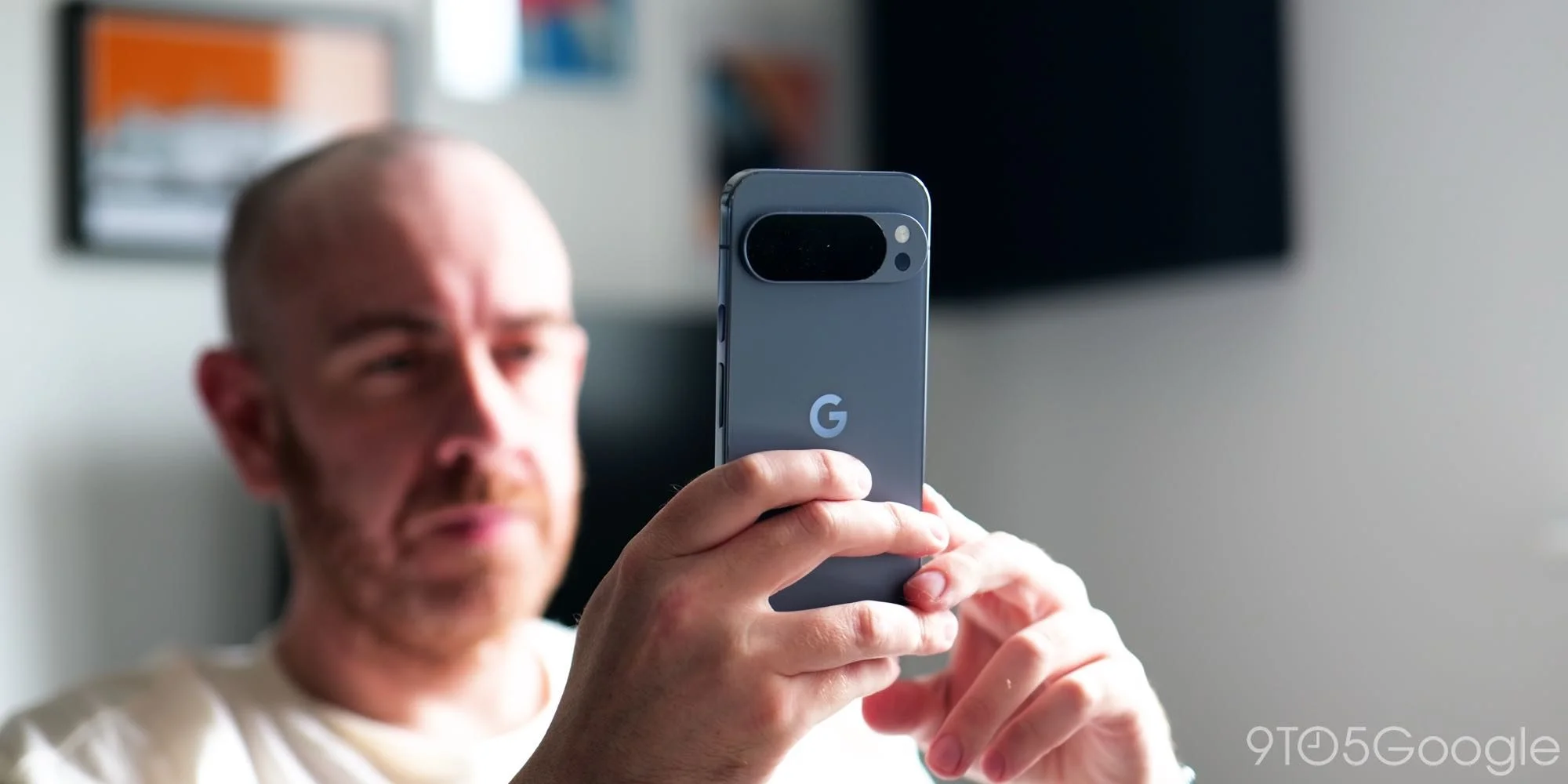
Your Relationship with Your Phone: A Reality Check
Let’s face it: our smartphones are an integral part of everyday life, but how many of us are truly content with that? Despite being a tech enthusiast who writes about the latest in smartphones and consumer gadgets, I’ve realized that these devices, which should enhance our lives, can lead to an unhealthy obsession. Taking a step back, I’ve found that detaching from constant notifications and endless scrolling has surprisingly improved my well-being. If you recognize yourself in this digital quagmire, consider applying some of the lessons I’ve learned.
A casual chat with anyone will likely reveal an everyday concern: our collective dissatisfaction with how much time we waste glued to our screens. This isn’t just a personal reflection; it's a widespread sentiment. Most people feel trapped in a cycle of incessant notifications, curated feeds, and the relentless demand for attention. It’s both a thrill and a distressing reality—I love technology for its novelty, but my dependence on it often overshadows that joy, making moments of genuine presence rare.
Consider your own connection to your smartphone for a moment. We often lose ourselves in a whirlpool of notifications and social media updates, letting hours slip away without a second thought. I once meticulously tracked my screen time while reviewing devices for work, only to be horrified at how deeply entrenched I was in this cycle of distraction.
Leading up to Google I/O a few months ago, my perspective began to shift. I began to realize that breaking away from my devices was not only necessary but might even be liberating. Recognizing my prior compulsions was the first step toward redefining my relationship with technology.
Making a Change: Admitting There's a Problem
After acknowledging my screen time issue, I faced a wave of clarity—the recognition that I was, in fact, addicted to platforms like Twitter. Reflexively, I’d pick up my phone, hit refresh, and watch as time evaporated before my eyes. When Elon Musk's takeover of Twitter coincided with my own reckoning, I seized the opportunity to delete my account and prioritize a healthier digital environment, free from the constant noise.
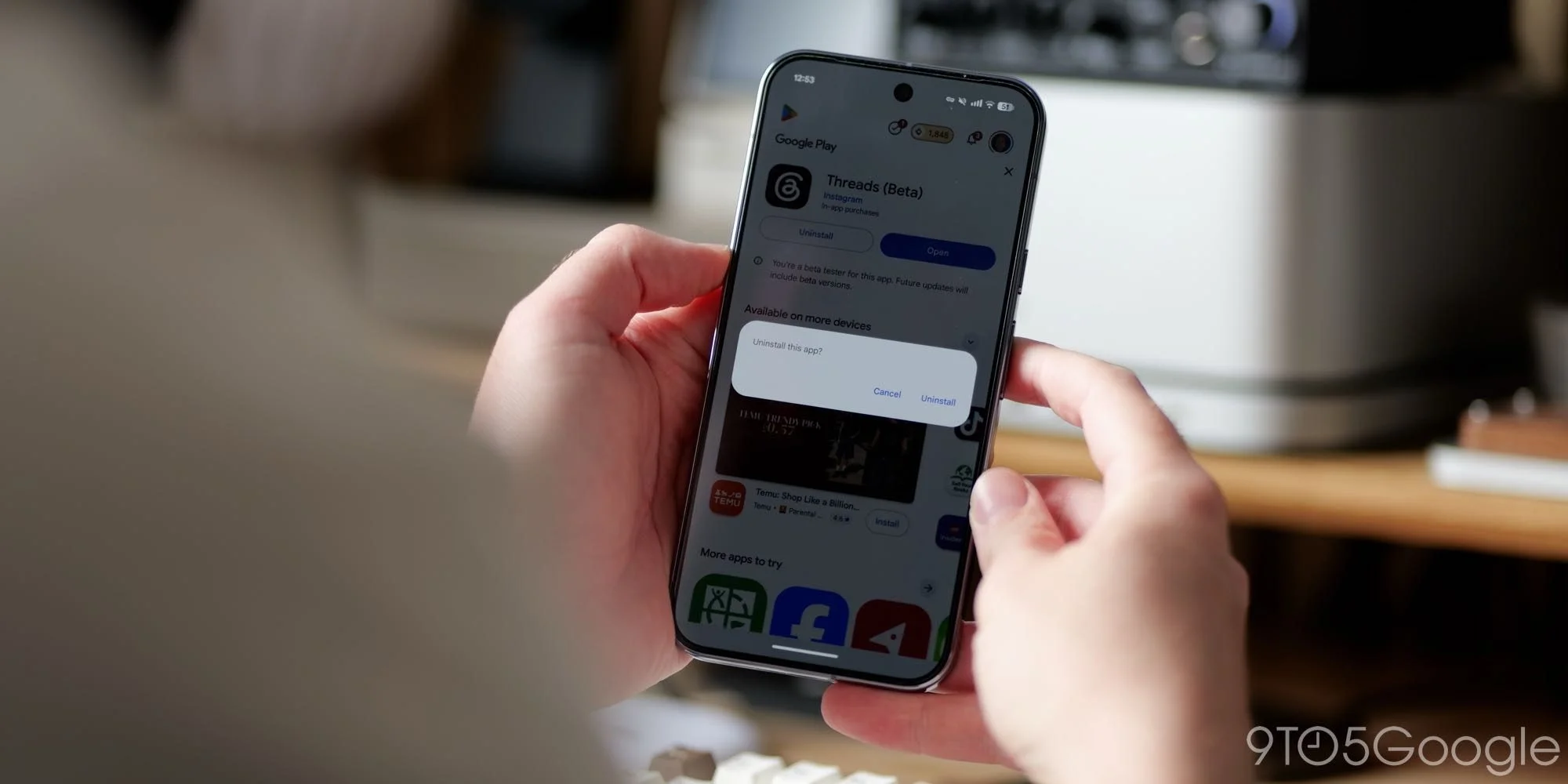
However, instead of escaping social media altogether, I soon found myself slipping into alternate platforms—Threads, Instagram, and briefly Bluesky. It seems the craving for connection and engagement often leads to replacing one distraction with another rather than fostering genuine mindfulness. The tools designed to help manage our digital lives, like Android’s Digital Wellbeing features, felt too easy to bypass. Pressing “Use app for 5 minutes” isn't much of a deterrent when you're fighting against an ingrained habit. Sure, I've locked away Slack on weekends, but even there, temptation has a way of creeping back in.
And so I reached a tipping point: it was time to take more drastic measures.
Although I still maintain accounts across social media for visibility, I decided to go cold turkey on most platforms. Now, if I feel the urge to check Threads or Instagram, I avoid the app entirely, instead opting to access it only through a desktop browser—an inconvenient but effective strategy to reduce my usage. This small barrier means I’m much less likely to ‘just check’ and allows me to focus more on what really matters.
The Cycle of Substitution
But here's an interesting dilemma: once you recognize the problem with your phone, it’s astonishingly easy to swap one addictive behavior for another. After a short detox period from social media, I found myself drawn to Reddit, immersing myself in discussions that were hardly productive—engaging in debates over trivial matters and diving into niche interests took over where my scrolling had left off.
Thus, I learned that the digital hamster wheel doesn’t just stop—it can shift gears. Much like phone dependency, our need for digital interaction can simply morph into another unproductive activity.
Redirecting My Attention
The truth is, most of us won't be giving up our phones anytime soon. They’re essential for daily tasks, from maps to payments, and for some, they serve as car keys. Rather than aiming for an unrealistic detachment, I realized I needed to shift my focus elsewhere. Every time I felt compelled to check my phone, I’d opt for a different activity altogether.
For starters, I stopped taking my phone with me to the bathroom—a move that may sound trivial, but truly allows my mind to be more present. Reducing mindless scrolling during those brief pauses in the day has led to fewer distractions overall.
Movies became another focal point; I started ensuring I watched them in theaters where I couldn’t be tempted by notifications. At home, I leave my phone in another room while watching shows. I’ve even taken to gaming as a way to fill idle moments—redirecting that itch to scroll into something engaging and might I say, more rewarding.
My bed has also been redefined as a phone-free sanctuary. With my phone charging away from the bedside, I reserve that space for reading or just relaxing, which keeps me more present and improves my sleep patterns.
In sharing these insights from my ongoing battle with digital addiction, I hope to inspire others to reflect on the balance of technology in their lives. I've made significant strides over the last few months—less dependency on my phone has surprisingly helped me become more attuned to the very products I discuss in my work. There’s still a flicker of fear about falling back into old habits, but for now, I feel more balanced, engaged, and—dare I say—happier. That's a victory worth celebrating.### The Bigger Picture: Reflection on Our Tech-Driven Lives
As we step back from this deep dive into technological advancements, it’s essential to consider the wider implications of our growing dependence on these innovations. A striking sentiment from a top comment resonates here: many individuals, despite their love for technology, feel overwhelmed by the pervasive influence it has on daily life. One commenter even expressed nostalgia for the more balanced tech environment of the late '90s and early 2000s, where technology supplemented human connections rather than overshadowed them.
This perspective isn't just a fleeting thought; it's a warning sign. If you’re immersed in the tech industry, you might see the drive for more engagement and interaction through screens as progress. Yet, we must ask ourselves—what are we sacrificing in the pursuit of digital dominance? There's a thin line between facilitating communication and fostering a sense of isolation.
While advancements in AI, automation, and smart devices enable us to accomplish remarkable feats, they can also consume excessive portions of our time and attention. It's a dynamic that can't be ignored, especially as we assess the mental health ramifications that arise from constant connectivity.
Here’s the thing: the conversation isn't merely about technology's evolution—it's fundamentally about how we can reclaim balance. As we advance toward an even more interconnected future, integrating mindful tech usage and prioritizing face-to-face interaction will be critical for personal well-being and societal cohesion. The numbers in user engagement statistics might be impressive, but perhaps what’s more valuable is the quality of our interactions.
That said, as we move forward, let's encourage a tech landscape that empowers rather than enslaves. The future of tech should be about enhancing our lives without dictating them. After all, our humanity should always take precedence over our devices.